










Anti‑Spark Filter: Ultimate Safety Guide for FPV Drones
This article is tailored for FPV drone pilots and RC enthusiasts, focusing on the Anti‑Spark Filter, a critical safety component that prevents dangerous sparks when connecting batteries. It combines technical depth structure for global audiences.
Check our DarwinFPV Anti‑Spark Filter for your FPV build.
Why Does My FPV Drone Spark When Plugging In the Battery?
That sharp crack and bright flash at the XT60 connector is a common sight, and it usually comes down to a physical cause: capacitor inrush.
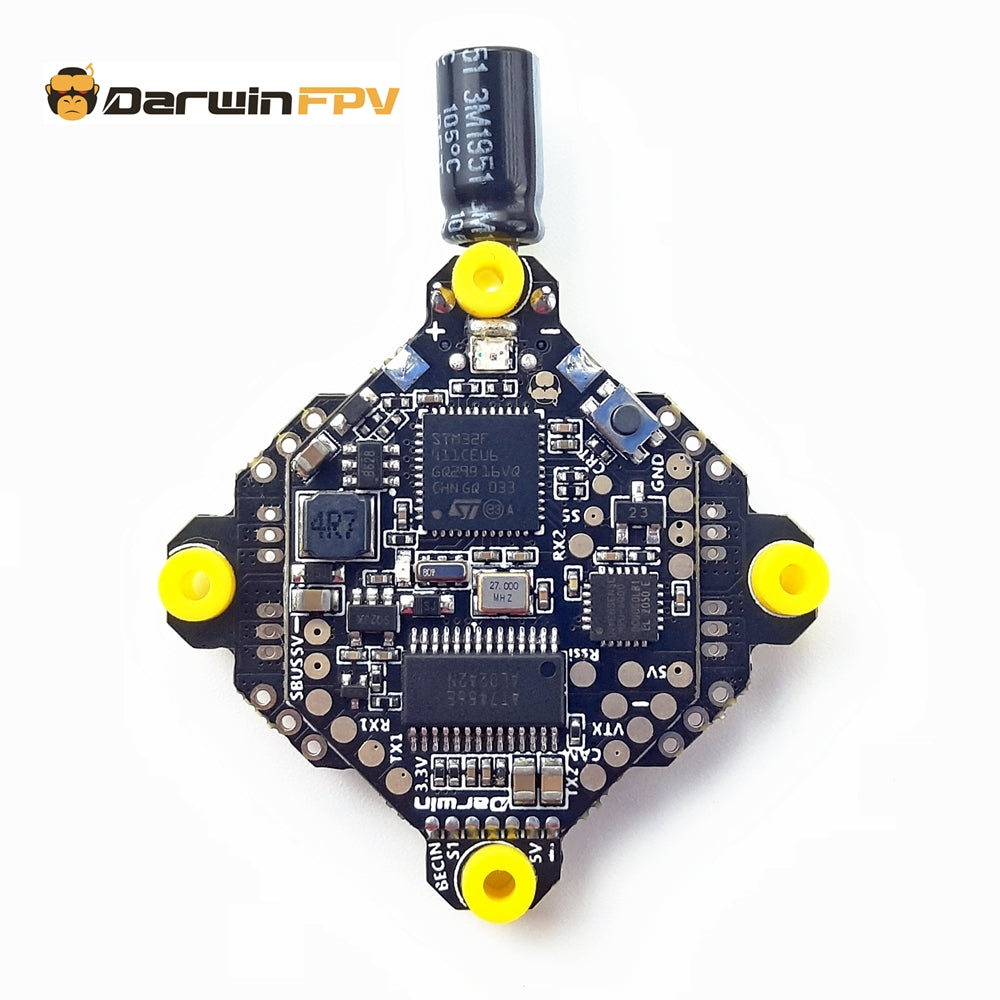
Almost every FPV drone has a large capacitor soldered to the ESC power pads, and this is the main source of the spark you see.
Think of the capacitor as a completely empty water bucket. Your LiPo battery is a huge, full water tank. The instant you make the connection, the tank tries to fill that empty bucket as fast as physically possible. That violent rush of current leaps across the tiny air gap between your metal connector pins right before they fully mate. The result is a visible spark and a loud pop.
This is technically called inrush current. It’s the same principle that creates a spark plug firing in a car engine – just an arc jumping a gap under high voltage.
Is it a short circuit?
No. It's simply the capacitor pulling a massive amount of energy in a fraction of a second to equalize voltage.

Is XT60 Spark Dangerous for FPV Drones?
Not all sparks are created equal. The tiny “click” you hear when connecting a healthy, properly set up drone is normal, but sustained or violent sparks can cause real damage.
The primary risk comes from the arc flash created during inrush. Each spark pits and erodes the XT60’s metal pins, increasing resistance over time. High resistance then leads to heat buildup, voltage drops under load, and eventually a failed connector mid‑flight. In the worst case, a spark can ignite flammable LiPo gases if the battery is damaged or swollen.
The danger level is proportional to the inrush current. A 4S 1500mAh battery with a small ESC capacitor will barely spark, while a 6S 2200mAh battery feeding a 4‑in‑1 ESC with large bulk capacitors will create a much more energetic spark. Over time, even these “normal” sparks degrade connectors and capacitors.

How to Stop XT60 Sparks on FPV Drones
There are two primary methods to eliminate or reduce XT60 sparks:
-
Passive Pre‑Charge (Anti‑Spark Filter)
This is the most reliable and user‑friendly solution. A pre‑charge resistor in the filter limits the initial current flow, slowly charging the ESC’s capacitors before the full power path is engaged. This eliminates the arc entirely, protecting both the connector and your electronics.

-
Manual Pre‑Charge (The “Tap Method”)
This involves briefly touching the positive lead to the connector before fully plugging it in. While it works, it’s inconsistent, risky, and requires perfect technique. It’s easy to accidentally short the battery or still cause a spark if done incorrectly. It is not recommended for beginners or high‑power builds.
For most pilots, especially those running 5‑inch or larger 4S/6S builds, an anti‑spark filter is the only truly safe and effective solution.
DarwinFPV Anti Spark Filter Explained
The DarwinFPV Anti‑Spark Filter is designed to reduce XT60 connection sparks by controlling the power‑up behavior of the FPV power system.
Unlike traditional resistor‑based anti‑spark solutions, the DarwinFPV Anti‑Spark Filter uses a MOSFET soft‑start circuit to gradually ramp up current during battery connection.
Instead of allowing full current to flow immediately, the MOSFET‑based soft‑start circuit briefly controls the charging process and allows the system voltage to rise progressively. This significantly reduces:
- inrush current
- connector arcing
- XT60 wear
- electrical stress on power components
Once the capacitors are charged and the system stabilizes, the circuit fully opens to provide normal low‑resistance power delivery to the drone.
This design provides several advantages:
- reduced XT60 spark intensity
- smoother battery connection
- improved connector lifespan
- cleaner power‑up behavior for sensitive HD FPV systems
The filter is optimized for modern FPV platforms including:
- 4S and 6S freestyle drones
- HD digital FPV systems
- OpenIPC builds
- long‑range platforms
Benefits of Using an Anti‑Spark Filter

Adding an anti‑spark filter to your build is a small upgrade that offers massive long‑term benefits:
- Connector Preservation: Eliminates arcing and pitting on XT60 pins, keeping resistance low and preventing heat‑related failures.
- LiPo Safety: Reduces the risk of igniting flammable LiPo gases, especially important when using older or damaged packs.
- Extended ESC Life: Protects the ESC’s capacitors from repeated high‑current inrush spikes, reducing stress and potential failure points.
- Consistent Power Delivery: Maintains low resistance at the connector, ensuring full voltage reaches your ESC even under heavy load.
- Peace of Mind: No more worrying about loud pops, burnt connectors, or potential fires during battery swaps.
For pilots who want to maximize the lifespan of their gear and eliminate a common safety hazard, an anti‑spark filter is non‑negotiable.
How to Install & Use the Anti‑Spark Filter
Installing and using the DarwinFPV Anti‑Spark Filter is straightforward, but following these steps ensures optimal safety and performance:
- Pre‑Flight Inspection: Before starting, inspect the filter for any signs of damage, melted insulation, or loose components. Gather your tools: a soldering iron, heat shrink tubing, and wire cutters. Never use a damaged filter.
- Remove the Original XT60 Connector: Cut the XT60 connector off your drone’s power wires, leaving enough wire length to work with (at least 1–2 cm). Strip a small section of insulation from the ends of both positive and negative wires.
- Solder the Anti‑Spark Filter: Solder the drone’s positive and negative wires to the corresponding terminals on the filter’s output side. Ensure all joints are clean, secure, and properly insulated with heat shrink tubing.
Pro Tip: Mount the filter in a location where it won’t be exposed to excessive heat from the ESC or motor, and secure it to prevent vibration from loosening connections.
Why 6S FPV Drones Spark More
If you’ve noticed your 6S build sparks more violently than your old 4S setup, you’re not imagining it. There are two key reasons for this:
- Higher Voltage and Capacitance: Most 6S builds use 4‑in‑1 ESCs with larger bulk capacitors to handle the higher power. More capacitance means more charge needed, leading to a larger inrush current spike when the battery is connected.
- Compounded In‑Flight Risks: The intense sparks from 6S/8S setups quickly pit and oxidize the XT60 metal pins. This degradation significantly increases contact resistance. When flying high‑power 6S builds, drawing massive current through a damaged connector will cause severe voltage sag, excessive heat buildup, and a high risk of mid‑flight power failure.

This makes anti‑spark filters even more critical for 6S pilots. The larger inrush current means connectors degrade faster, and the risk of igniting LiPo gases is higher.
How We Reduced XT60 Sparks on High‑Power FPV Builds
At DarwinFPV, we design our high‑power builds to minimize spark risk from the factory. Here’s how we do it, and how you can too:
- XT60 Connector Quality: We use gold‑plated XT60 connectors with thicker pins, which resist pitting and maintain low resistance even with repeated connections.
- ESC Capacitor Tuning: Our ESCs are calibrated to manage inrush current, and we pair them with appropriately sized capacitors to balance performance and safety.
- Installation Guidance: Every high‑power build includes clear instructions on how to use the anti‑spark filter correctly, including connection order and pre‑charge wait times.
For pilots building their own high‑power rigs, the takeaway is simple: don’t skip the anti‑spark filter. It’s the single most effective upgrade you can make to protect your expensive gear and eliminate a common safety hazard.